Dealing with Red Water and Iron Silt in Kochi Tanks
Why borewells and open wells across Ernakulam produce red water and orange sludge in storage tanks, how it affects plumbing, and how to keep tanks clean.
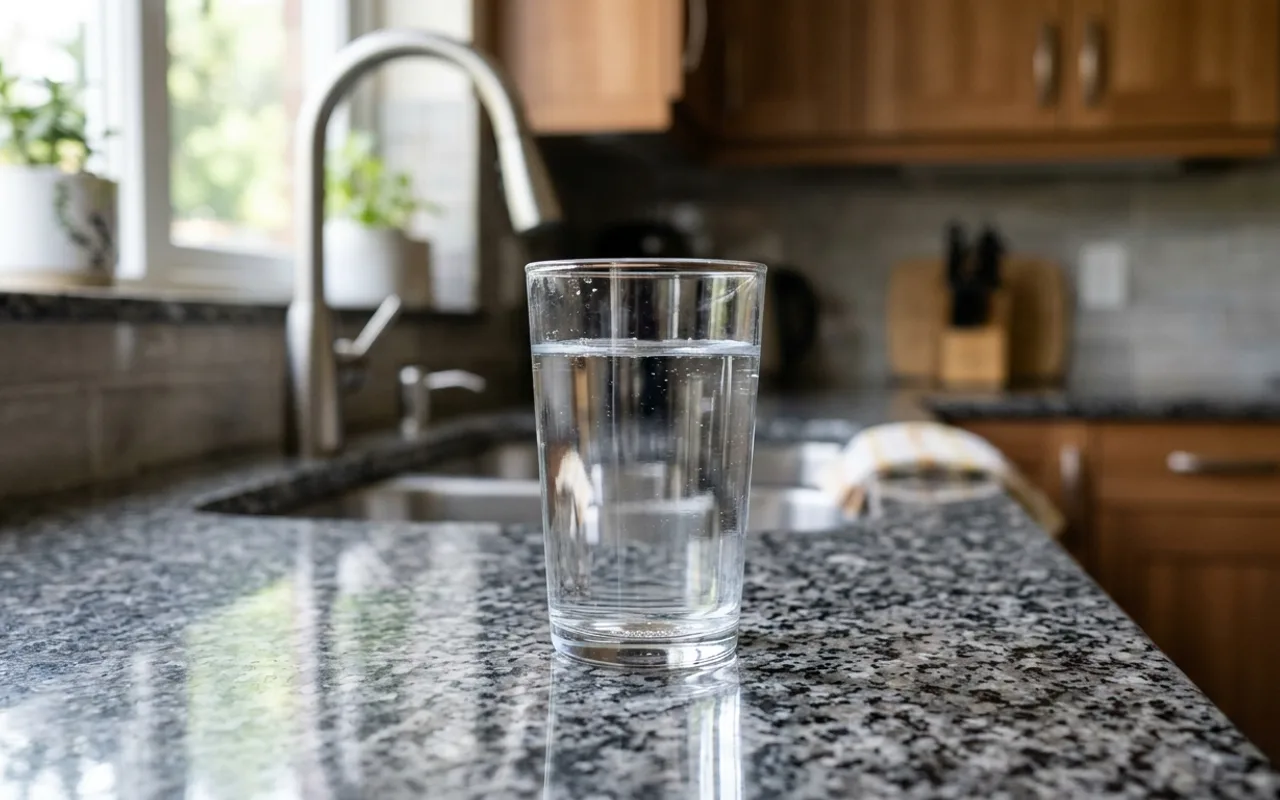
Why well and borewell water turns red in storage
Across residential neighbourhoods in Kochi and suburban Ernakulam, thousands of households rely on private borewells or traditional open wells alongside municipal Kerala Water Authority connections. A frequent and frustrating phenomenon for these homeowners is water that pumps out of the ground appearing completely clear and transparent, yet turns cloudy, yellowish, or distinctly reddish-brown after sitting in an overhead plastic tank or underground sump for just a few hours.
This transformation is driven by dissolved ferrous iron. Deep groundwater aquifers in Kerala's coastal and midland geological formations are naturally rich in subterranean minerals. In the absence of atmospheric oxygen underground, iron remains fully dissolved in a soluble, invisible ferrous state. When your motor pumps this water to the roof into your overhead tank, it meets atmospheric air.
As dissolved iron oxidizes, it converts from soluble ferrous iron into insoluble ferric hydroxide — commonly recognized as fine rust particles. These microscopic orange-brown particles slowly flocculate and settle under gravity to the base of your water tank, creating a dense, sticky orange-red sludge layer that steadily accumulates week after week.
The geography of iron-rich groundwater in Ernakulam
Iron concentration in domestic water varies considerably across different zones of Ernakulam district due to varying soil compositions and aquifer depths. While coastal zones like Fort Kochi, Mattancherry, and Marine Drive frequently battle brackish salinity, inland and elevated suburbs tell a very different hydrological story.
Localities such as Kakkanad, Thrikkakara, Kalamassery, Aluva, Eloor, and Edathala frequently experience noticeable iron content in domestic well water. The laterite soil profiles and bedrock formations characteristic of these midland belts naturally leach iron minerals into groundwater aquifers. In many newly developed residential pockets near Infopark and SmartCity, borewells drilled to depths of 150 to 300 feet draw water that exhibits substantial dissolved mineral content.
Similarly, eastern belt localities including Tripunithura, Thiruvankulam, and Perumbavoor feature pocket aquifers where open ring wells produce water that deposits reddish-brown rings around porcelain washbasins within days of initial use. Understanding your neighbourhood's groundwater profile helps you set realistic expectations for tank maintenance and filtration.
What iron sediment does to internal plumbing and fixtures
While iron in domestic water is generally considered an aesthetic and physical nuisance rather than an acute toxic hazard at common domestic concentrations, its impact on household infrastructure and daily convenience is severe.
First, heavy orange iron silt creates stubborn cosmetic stains. White ceramic washbasins, bathroom floor tiles, Western closets, and chrome plumbing fixtures develop permanent reddish-brown rust streaks that resist normal bathroom cleaners. White laundry washed in iron-laden water emerges with a dingy yellow or brownish cast that standard detergents cannot reverse.
Second, iron sludge poses serious mechanical hazards to plumbing. As fine iron particles settle inside your overhead tank, they are drawn into the outlet pipes leading down into your home. Over time, these mineral deposits coat the interior of concealed CPVC and PVC pipes, gradually reducing the internal diameter and causing a progressive drop in water pressure.
Third, modern domestic appliances are vulnerable to iron fouling. The internal solenoid valves of automatic washing machines choke with gritty orange sediment, water heater geyser elements build thick mineral scale that burns out heating coils prematurely, and the fine silicone nozzles of luxury showerheads become completely blocked. Regular removal of iron sludge at the tank source is the single most effective way to protect these costly installations.
Why ordinary chlorine bleaching cannot dissolve iron sludge
When confronted with dirty, reddish tank water, many homeowners make the well-intentioned mistake of dropping heavy doses of bleaching powder or household chlorine tablets into the storage tank. While chlorine is a potent chemical disinfectant for destroying living bacteria, algae, and organic pathogens, it does not dissolve mineral iron.
In fact, chlorine is a powerful oxidizing agent that accelerates the conversion of dissolved iron into solid rust particles. Adding bleach to iron-rich water causes immediate chemical oxidation, instantly turning the entire water column a murky reddish-brown colour and throwing huge volumes of orange rust particles into suspension.
Furthermore, chemical additives cannot lift dense, compacted mineral sludge off the floor of a tank. Once iron sediment settles into a thick silt bed at the bottom of a plastic or concrete reservoir, chemical treatment alone is powerless. The only practical, long-term solution is complete physical evacuation: draining the water, vacuuming out the heavy sludge bed, and mechanically scrubbing the walls clean.
The practical method for removing heavy orange sediment
Removing iron sludge from domestic tanks requires careful execution to avoid pushing the reddish silt into your household distribution piping. Before any cleaning begins, the main outlet valve leading from the tank down into the house must be shut tightly, preventing heavy disturbed sediment from entering internal supply lines.
Specialized submersible pumps are introduced to discharge the bulk water column safely away onto terrace drainage areas without staining adjacent wall plaster. Once the liquid level drops to the sludge zone, industrial extraction equipment and wet-slurry vacuums pump out the thick, viscous orange silt directly from the floor.
Next, technicians apply mild, non-abrasive food-safe descaling and cleaning solutions formulated to loosen the stubborn mineral film clinging to the plastic or concrete surfaces. Soft-to-medium bristle rotary brushes gently scrub down the entire interior chamber without scratching the virgin plastic lining. High-pressure wash jets rinse every trace of dislodged red sediment down to the extraction point.
Once all waste slurry is completely evacuated and the floor is vacuum-dried, the tank is given a thorough disinfection rinse, refilled with clear water, and the outlet line is reopened only after a clean discharge is verified.
Filtration vs routine cleaning: finding the right balance
Homeowners frequently ask whether installing a whole-house iron filter can eliminate the need for routine tank cleaning. The reality is that filtration and tank cleaning are complementary practices, not mutually exclusive alternatives.
Sand, carbon, and specialized iron removal media filters installed between your well pump and your overhead tank can intercept a substantial portion of suspended iron particles before they reach the roof. However, even high-end domestic iron filters require frequent backwashing, chemical regeneration, and eventual media replacement.
When filter maintenance slips by even a few weeks, fine mineral breakthrough occurs, and oxidized iron particles quietly resume settling inside the tank. Furthermore, filters do not protect rooftop tanks from airborne dust, atmospheric spore entry, or roof runoff that enters through vents and unsealed lid threading.
The most cost-effective and dependable strategy for households in high-iron Kochi neighbourhoods is combining an appropriately sized iron removal pre-filter with a disciplined, scheduled bi-annual tank cleaning routine. The filter prevents the worst daily water discoloration, while periodic professional cleaning ensures that fine residual sludge never accumulates to a depth where it can compromise household fixtures.
Setting a realistic cleaning cadence for high-iron areas
For homes that depend on municipal Kerala Water Authority supply, a six-month cleaning schedule is usually sufficient to maintain pristine water quality. However, if your home relies primarily on a borewell or open well in known iron-belt areas such as Kakkanad, Aluva, or Thrikkakara, you should adopt a more proactive schedule.
In these settings, an inspection every three to four months is advisable. If you observe that your tank floor has accumulated more than an inch of reddish sludge within three months, do not wait for the six-month mark — schedule a cleaning promptly to prevent sediment from entering your water heater, washing machine, and concealed pipe network.
Taking proactive care of your water storage preserves your family's daily comfort, keeps your bathroom fixtures sparkling clean, and prevents costly plumbing repairs across your home.
Frequently asked questions
Why does my borewell water turn red inside the overhead tank?
Groundwater in inland Ernakulam belts like Kakkanad and Aluva contains natural dissolved ferrous iron. When pumped into an overhead tank, the water meets atmospheric oxygen, causing dissolved iron to oxidize into insoluble reddish-brown rust particles that settle to the tank floor as sludge.
Can adding chlorine or bleach remove red iron sludge?
No. Chlorine is an oxidizing disinfectant that destroys organic microbes, but it actually speeds up the oxidation of dissolved iron into solid rust particles. Adding bleach turns the water cloudier and cannot dissolve heavy mineral sludge. The sediment must be mechanically vacuumed and scrubbed out.
How often should tanks be cleaned in high-iron areas of Kochi?
In suburbs with significant iron content, overhead tanks and sumps should be cleaned every three to four months. Waiting six months can allow heavy orange sludge to enter internal distribution pipes, clogging washing machine valves and geyser heating elements.
Will an iron filter eliminate the need for tank cleaning?
A pre-filter intercepts a large volume of suspended iron, but even good filters experience fine mineral breakthrough if backwashing is delayed. Filters also do not protect rooftop tanks from airborne dust. Combining an iron filter with periodic bi-annual tank cleaning provides the best protection.
More guides
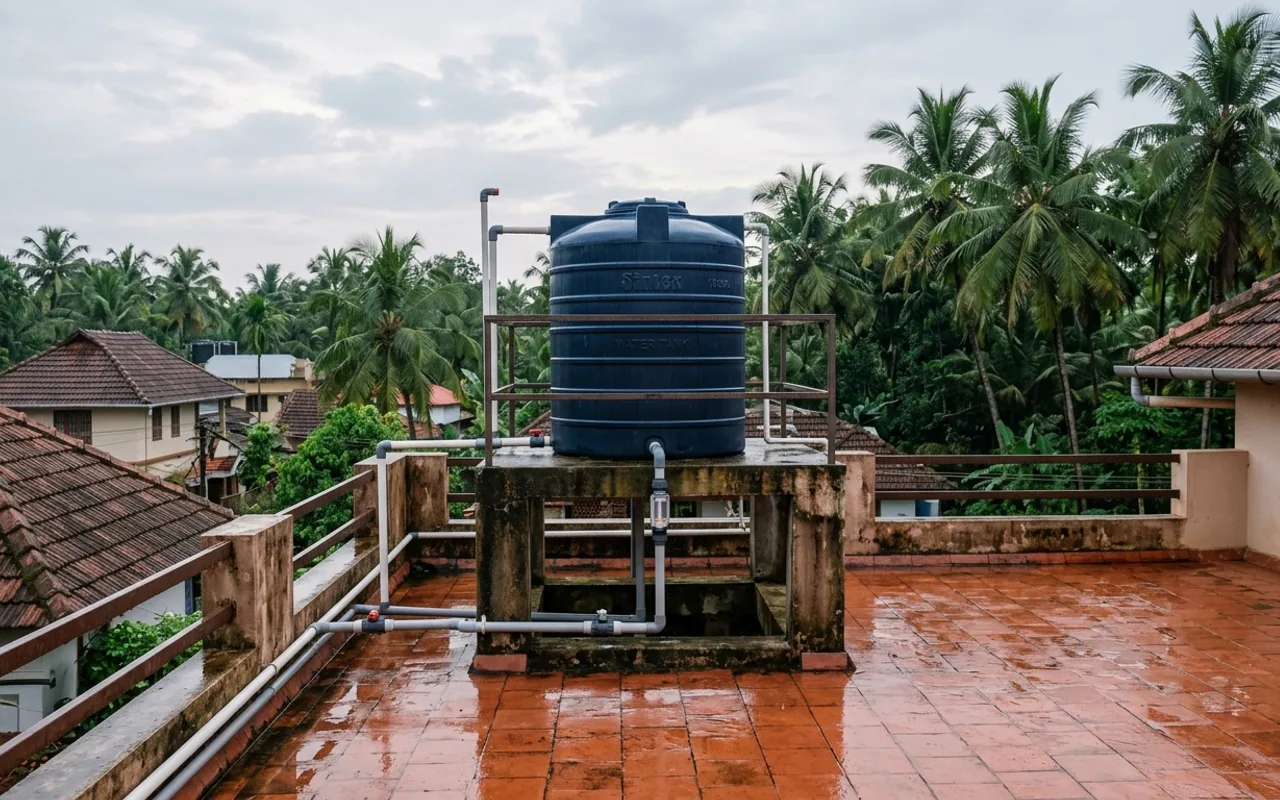
Post-Monsoon Water Tank and Sump Cleaning in Kerala
Why heavy monsoon rains leave water tanks and underground sumps coated in silt, how to safely inspect your storage, and the practical steps to reset your water.
View Post-Monsoon Water Tank and Sump Cleaning in Kerala
What Happens During a Professional Water Tank Cleaning
Inside a professional tank clean: draining, sludge removal, scrubbing, disinfection, and the final rinse — what the crew does and what you should expect.
View What Happens During a Professional Water Tank Cleaning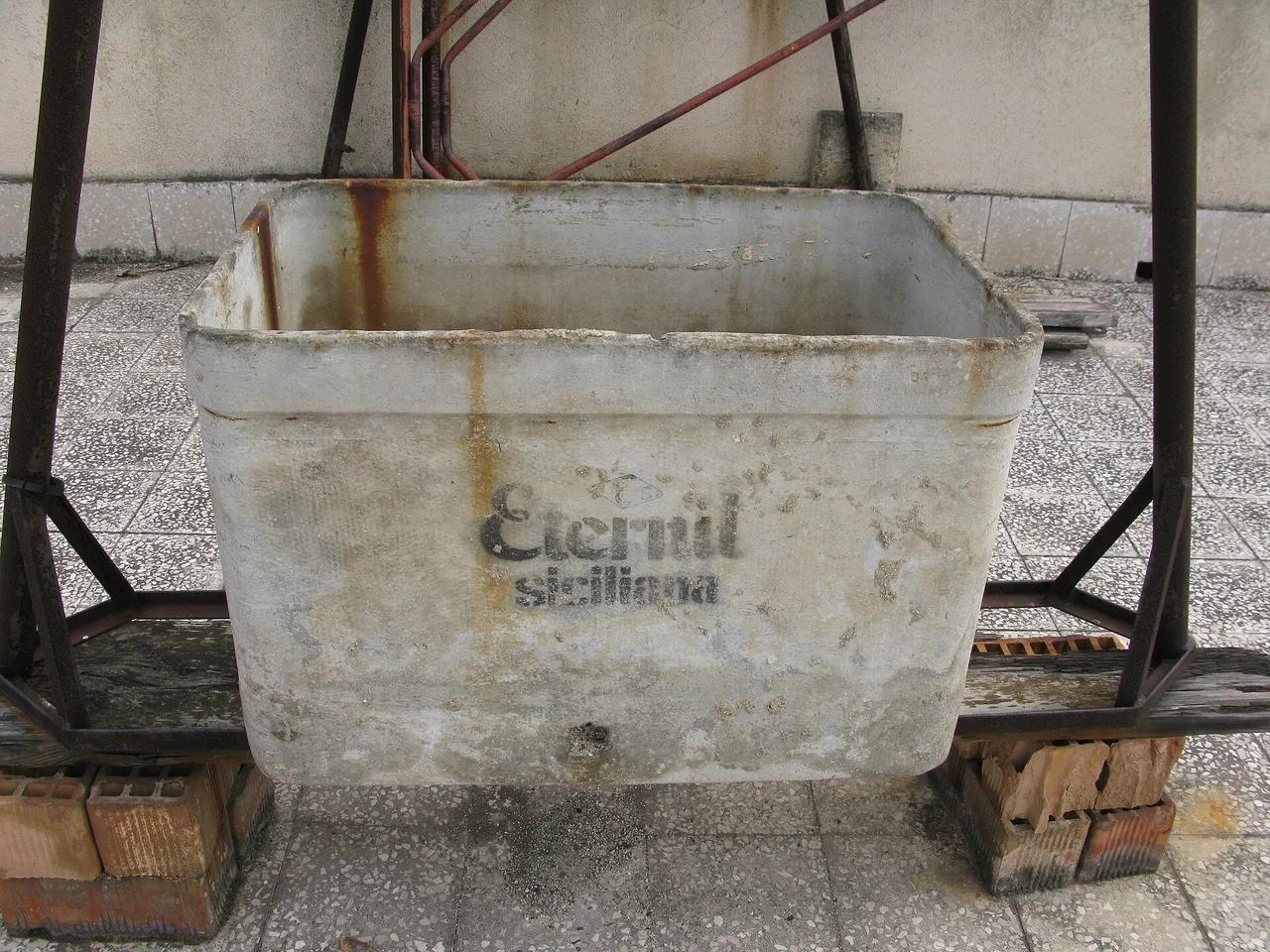
How to Prepare Your Home for a Tank Cleaning Visit
A practical checklist for the day your tank cleaner arrives: water storage, roof access, pets, and the small preparations that make the visit faster.
View How to Prepare Your Home for a Tank Cleaning Visit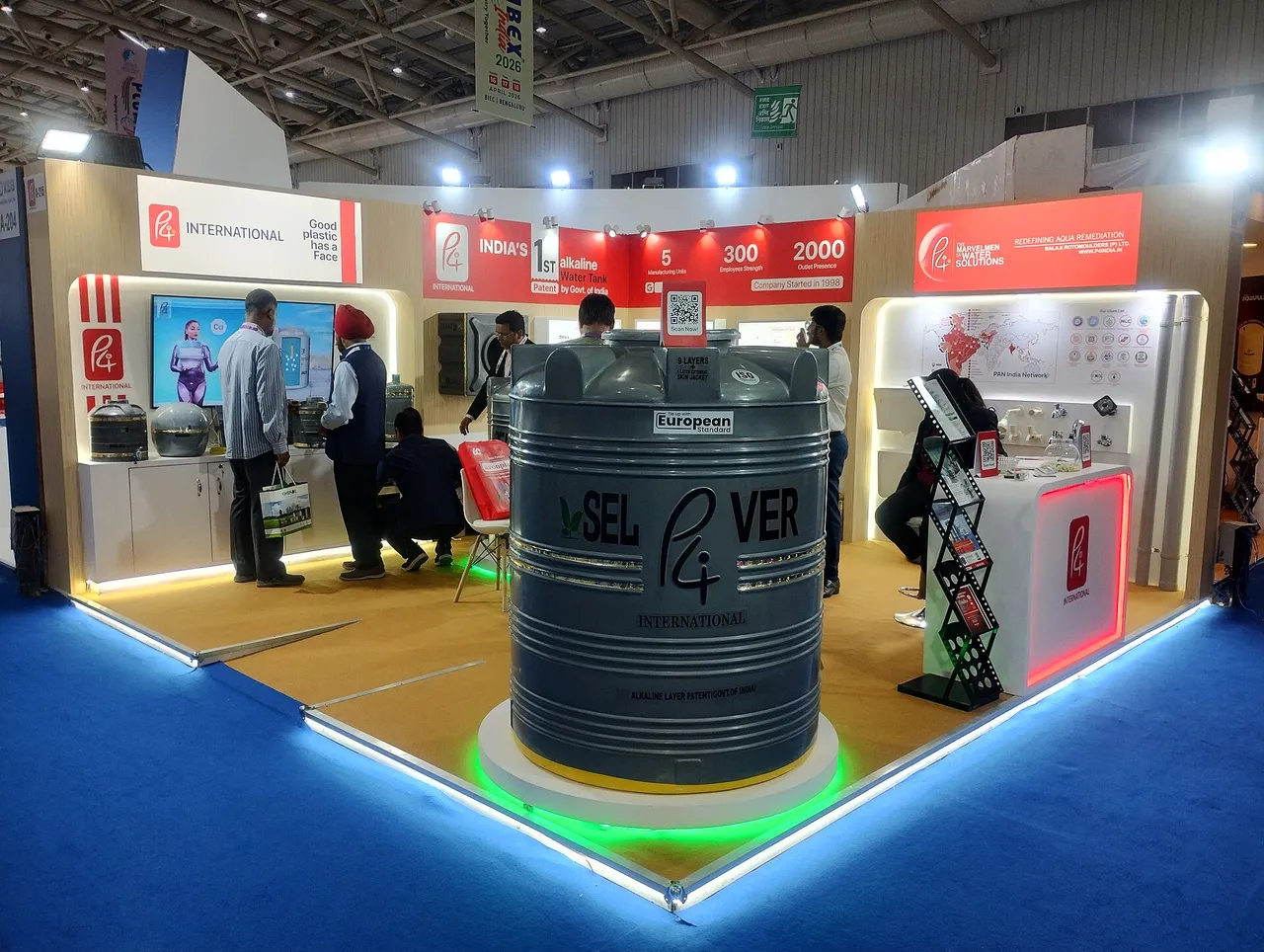
Types of Water Tanks in Kochi Homes and How Each Is Cleaned
Plastic Sintex-type tanks, loft tanks, concrete overhead tanks, and underground sumps — the tank types behind Kerala homes and what cleaning each one takes.
View Types of Water Tanks in Kochi Homes and How Each Is Cleaned
How Often Should You Clean Your Water Tank in Kochi?
A practical cleaning schedule for Kochi homes: how often overhead tanks and sumps need cleaning, why monsoon months matter, and the signs your tank is overdue.
View How Often Should You Clean Your Water Tank in Kochi?Last updated: