Post-Monsoon Water Tank and Sump Cleaning in Kerala
Why heavy monsoon rains leave water tanks and underground sumps coated in silt, how to safely inspect your storage, and the practical steps to reset your water.
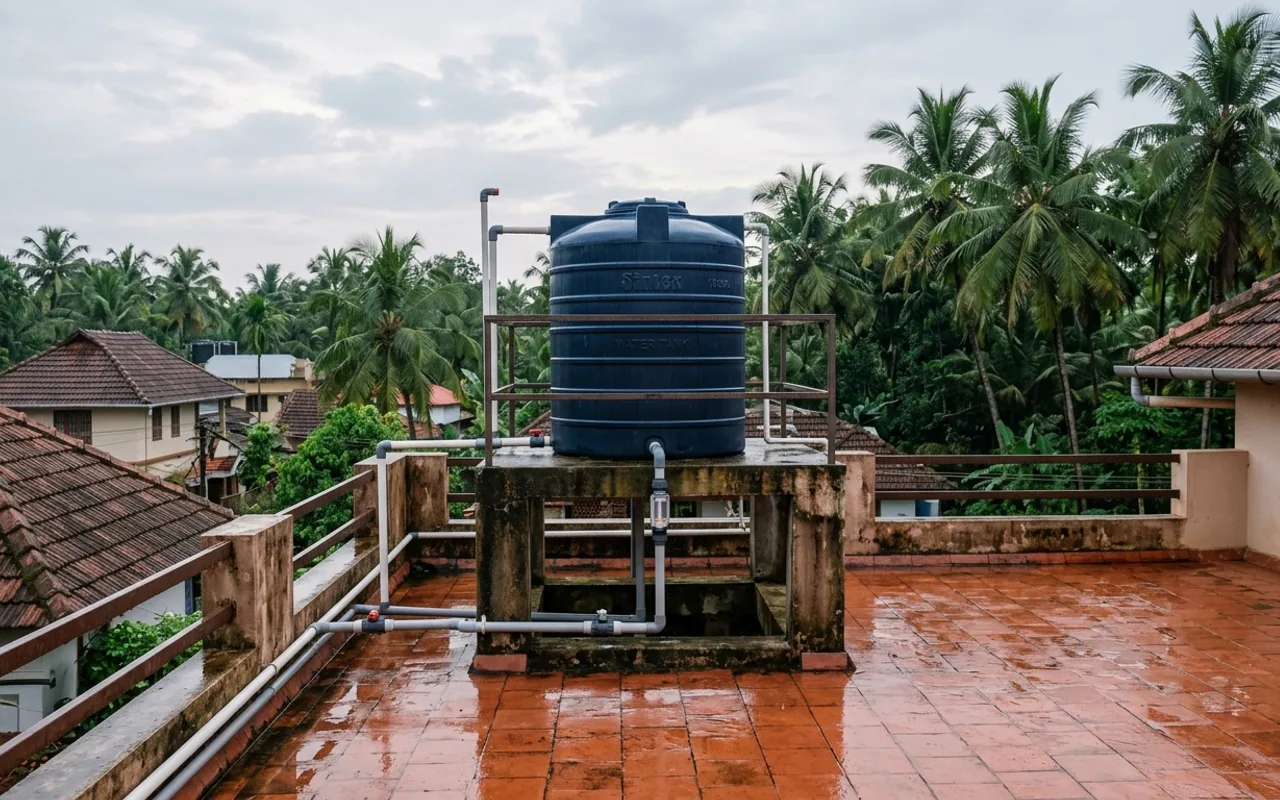
The aftermath of the monsoon on domestic water storage
Between June and September, the southwest monsoon drenches coastal Kerala with weeks of relentless precipitation. While rain rejuvenates the water table and fills municipal reservoirs, it places immense physical stress on domestic storage infrastructure across Kochi and Ernakulam. Rooftop water tanks, air vents, plumbing seals, and underground sumps must endure months of pounding rain, continuous high humidity, and overflowing terrace drains.
When the skies finally clear in October, many households discover that their tap water has developed a faint earthy odour, an unusual yellow or grey tint, or fine sediment settling at the base of washbasins. In severe instances, family members experience mild skin irritation after bathing or notice a slippery film forming along the interior walls of storage containers. These issues are rarely caused by failures in municipal treatment plants; instead, they are the direct consequence of monsoon debris, biological contaminants, and stormwater silt that infiltrated domestic storage during heavy downpours.
Understanding how seasonal rainfall affects overhead tanks and underground sumps enables homeowners to take targeted corrective measures. A thorough post-monsoon clean resets domestic water quality, protects internal plumbing fixtures from silt abrasions, and safeguards household hygiene ahead of the hot, dry months that follow.
How rainwater and roof debris penetrate overhead tanks
A common misconception among homeowners is that a closed plastic overhead tank is an impenetrable fortress. In practice, overhead tanks operate with several openings designed to equalize pressure and vent trapped air. Heavy tropical winds drive rain sideways across terrace slabs, driving fine moisture, dust, moss spores, and bird droppings toward tank vents, unsealed inspection lids, and loose overflow pipes.
Furthermore, months of intense sunshine preceding the monsoon weaken plastic lids, causing hairline warping along the threading. When torrential rain falls, water pooling on the tank lid seeps directly through loose threads into the clean reservoir below. Terrace dust that accumulated during summer is washed toward downspouts, creating an airborne aerosol of organic grime that enters unnetted vent pipes.
Once organic matter enters a warm water tank, it sinks to the dark base and forms a nutrient-rich sediment bed known as sludge. Even when municipal or well water pumped into the tank is crystal clear, incoming turbulence stirs this bottom sludge, distributing suspended particles throughout the distribution lines. Left uncleaned, this layer becomes a breeding environment for algae, biofilm, and harmful bacteria.
Underground sumps: flood line and surface runoff challenges
If overhead tanks face atmospheric ingress, underground concrete sumps face an even greater hazard: surface runoff and ground saturation. Many residential neighbourhoods in the Greater Kochi area — including Kadavanthra, Maradu, Edappally, and Kalamassery — feature high groundwater tables and low-lying topography prone to temporary waterlogging during cloudbursts.
Underground sumps are typically built flush with car porch tiles or interlock courtyard paving. During intense monsoon spells, courtyard drainage can become temporarily overwhelmed, allowing sheets of muddy surface water to lap against the sump access hatch. If the manhole frame lacks a raised masonry collar or a fresh rubber gasket, filthy street runoff, garden silt, insect life, and road debris flow directly into the drinking water supply.
Even when floodwaters do not breach the hatch, saturated soil exerts heavy hydrostatic pressure against older concrete sump walls. Fine microscopic fractures that remain dry during summer can weep murky groundwater inward under high monsoon water tables. By October, an underground sump that went into May with clear water may contain several inches of dark, foul-smelling silt at its lowest point.
Five telltale warning signs that your storage was contaminated
You do not need specialized laboratory testing to determine whether your water storage received monsoon infiltration. Simple visual and sensory inspections around your home provide immediate clues:
First, observe the water drawn first thing in the morning in a clean white porcelain bucket or glass container. If the water displays a faint yellowish, brownish, or pale grey tinge that settles out after resting for fifteen minutes, your tank floor has accumulated substantial silt.
Second, inspect the smell at the tap. Clean domestic water should have no detectable odour. An earthy, swampy, or musty smell indicates decomposing organic matter such as decayed leaves or airborne vegetation trapped inside the storage chamber.
Third, check bathroom showerheads, kitchen tap aerators, and washing machine inlet filters. If you notice reduced water pressure and find gritty granules or dark specks clogging the aerator mesh, sediment from your overhead tank is migrating into your internal pipe network.
Fourth, touch the interior walls of your tank through the inspection hatch. If the plastic or cement feels slimy or slippery to the touch rather than smooth and clean, a biological slime layer (biofilm) has taken hold across the wet surface.
Fifth, examine the roof around the tank. If downspouts were choked with leaves or water marks show that stormwater pooled around the tank base, contaminated runoff almost certainly found a pathway inside.
The professional step-by-step post-monsoon cleaning protocol
Cleaning a domestic water tank after the monsoon requires systematic mechanical and hygienic steps rather than casual bucket-and-mop scrubbing. Attempting to wash a tank by simply stirring the bottom sludge and opening the drain valve is counterproductive, as thick mud easily chokes household drain lines and valve gates.
The proper protocol begins with controlled dewatering. The water column is pumped down using specialized submersible drainage equipment until only a shallow puddle remains above the silt bed. Then, industrial sludge pumps and wet extraction vacuums lift out the heavy settled mud, gravel, and organic sediment without scraping or abrading the tank lining.
Next comes deep mechanical scrubbing. Technicians use rotary brushes with food-grade bristles and rotary pressure wands to scrub the ceiling, structural corners, supply pipes, and vertical walls. In concrete sumps, particular attention is paid to corners and plaster seams where fungal colonies hide. In plastic Sintex-type tanks, gentle medium bristles protect the smooth virgin plastic from micro-scratches that attract future bacterial adhesion.
After scrubbing, all dislodged grime and dirty wash water is thoroughly vacuumed out until the floor is completely dry. A fresh high-pressure rinse washes down all surfaces, and the rinse water is completely evacuated from the structure.
Disinfection, line flushing, and safe water transition
Mechanical removal of silt eliminates visible mud, but microscopic microbial colonies remain embedded on damp surfaces. A vital post-monsoon stage is controlled sanitization using approved water-treatment disinfectants such as stabilized sodium hypochlorite or food-grade potassium permanganate in precise parts-per-million concentrations.
The sanitizing solution is sprayed thoroughly across all internal walls, ceiling surfaces, and fittings, then allowed to dwell for thirty to forty-five minutes to neutralize bacterial walls and fungal spores. Following the contact dwell time, the entire chamber is subjected to a final potable water rinse until all chemical residue is flushed away.
Crucially, the cleaning process does not end at the tank outlet. Once the tank is refilled with fresh supply from the Kerala Water Authority or your domestic source, household taps throughout the property must be opened for two to three minutes. This flushes out any trapped air pockets and ensures that stagnant water residing inside the internal pipe lines between the tank and your taps is completely displaced.
Technicians provide guidance on the exact waiting and flushing procedure appropriate for your household plumbing layout before leaving the premises, ensuring that your drinking and bathing water is clean and ready for daily family use.
Preventive terrace and sump maintenance ahead of future rains
A proper post-monsoon clean restores pure water, but simple physical preventative measures can stop the problem from repeating when unseasonal showers or next year's rains arrive.
Examine the overhead tank lid. If the plastic threads are loose, cracked, or missing lock tabs, replace the lid immediately. Ensure that the tank air vent has a downturned elbow and is covered with durable fine stainless steel or nylon mesh to prevent insects, lizards, and airborne leaves from entering while maintaining necessary ventilation.
For underground sumps, ensure the hatch frame is elevated at least six to eight inches above surrounding courtyard pavers. If your sump opening is flush with the ground, consider building a neat raised brick collar around the opening and installing a heavy-duty gasketed metal cover that prevents standing courtyard puddles from spilling inward.
Finally, establish a predictable bi-annual schedule: schedule one thorough clean in May just before the monsoon arrives, and a second clean in October or November immediately after the rains subside. This straightforward routine keeps your water safe, prevents plumbing blockages, and preserves household well-being throughout the year.
Frequently asked questions
Why is post-monsoon tank cleaning especially important in Kerala?
Heavy southwest monsoon rains wash terrace dust, roof debris, moss, and bird droppings toward tank lids and air vents. In low-lying Kochi areas, courtyard runoff can also lap against underground sump hatches. Cleaning post-monsoon in October or November evacuates settled silt before it stagnates and feeds bacterial growth.
Should I clean my overhead tank, underground sump, or both?
Both should be cleaned together following the monsoon. Rainwater runoff affects rooftop tanks through vents and unsealed lids, while saturated ground and courtyard runoff affect sumps. Resetting both stores on a single visit ensures that clean sump water is not pumped into a dirty overhead tank.
How long does a post-monsoon tank cleaning visit take?
A standard domestic overhead tank usually takes about 60 to 90 minutes. An underground sump typically requires two to three hours depending on capacity, access, and the depth of accumulated monsoon silt.
How do you disinfect the tank after removing silt?
After physical silt extraction and rotary wall scrubbing, technicians spray all internal surfaces with food-grade water-sanitizing solution at precise parts-per-million concentration. Following contact dwell time, the entire chamber receives a final potable water rinse.
More guides
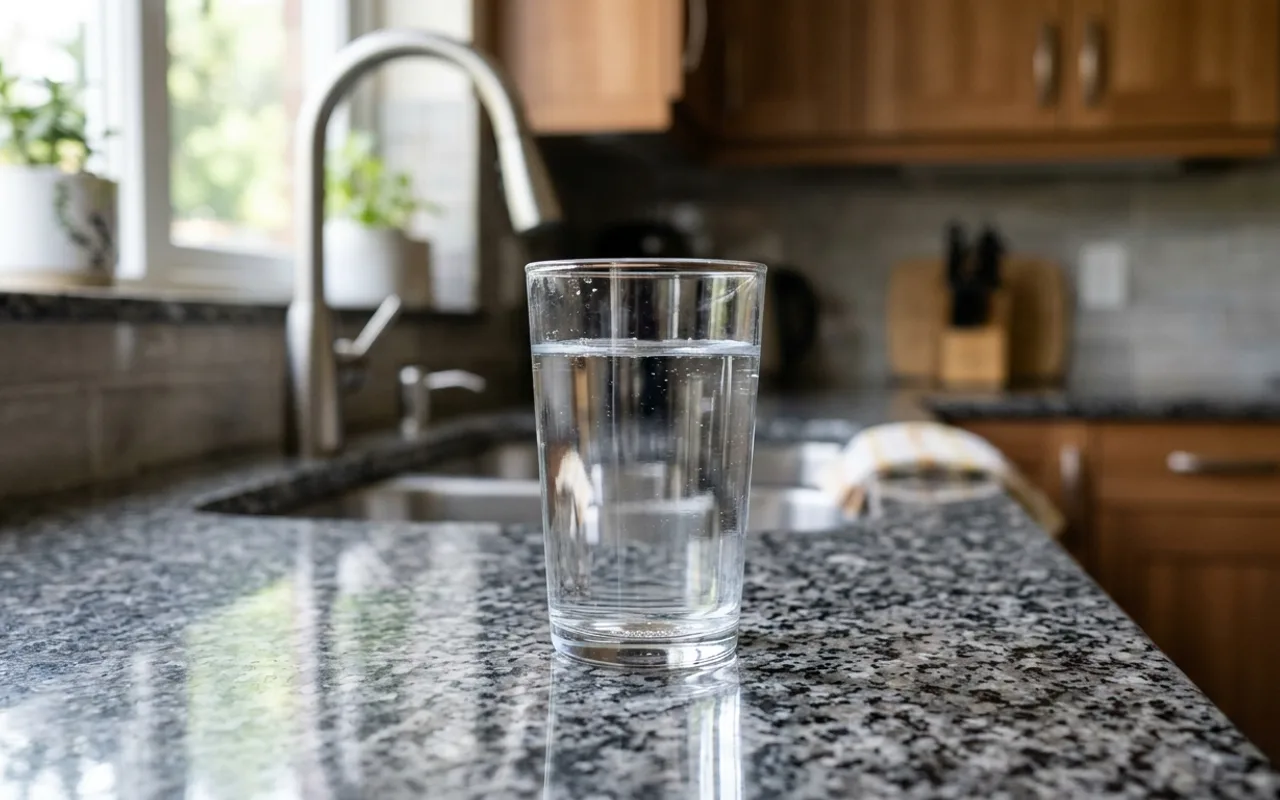
Dealing with Red Water and Iron Silt in Kochi Tanks
Why borewells and open wells across Ernakulam produce red water and orange sludge in storage tanks, how it affects plumbing, and how to keep tanks clean.
View Dealing with Red Water and Iron Silt in Kochi Tanks
What Happens During a Professional Water Tank Cleaning
Inside a professional tank clean: draining, sludge removal, scrubbing, disinfection, and the final rinse — what the crew does and what you should expect.
View What Happens During a Professional Water Tank Cleaning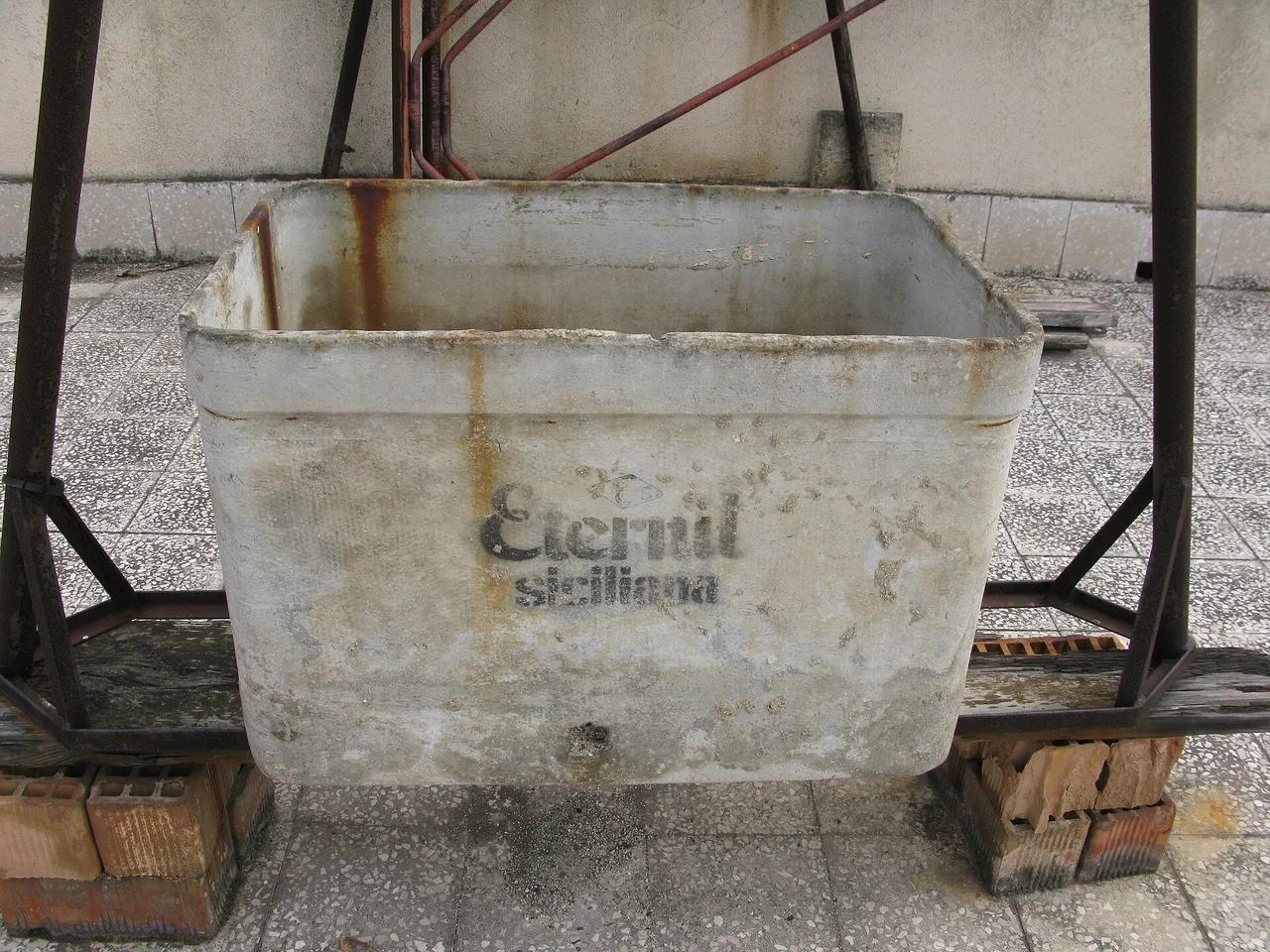
How to Prepare Your Home for a Tank Cleaning Visit
A practical checklist for the day your tank cleaner arrives: water storage, roof access, pets, and the small preparations that make the visit faster.
View How to Prepare Your Home for a Tank Cleaning Visit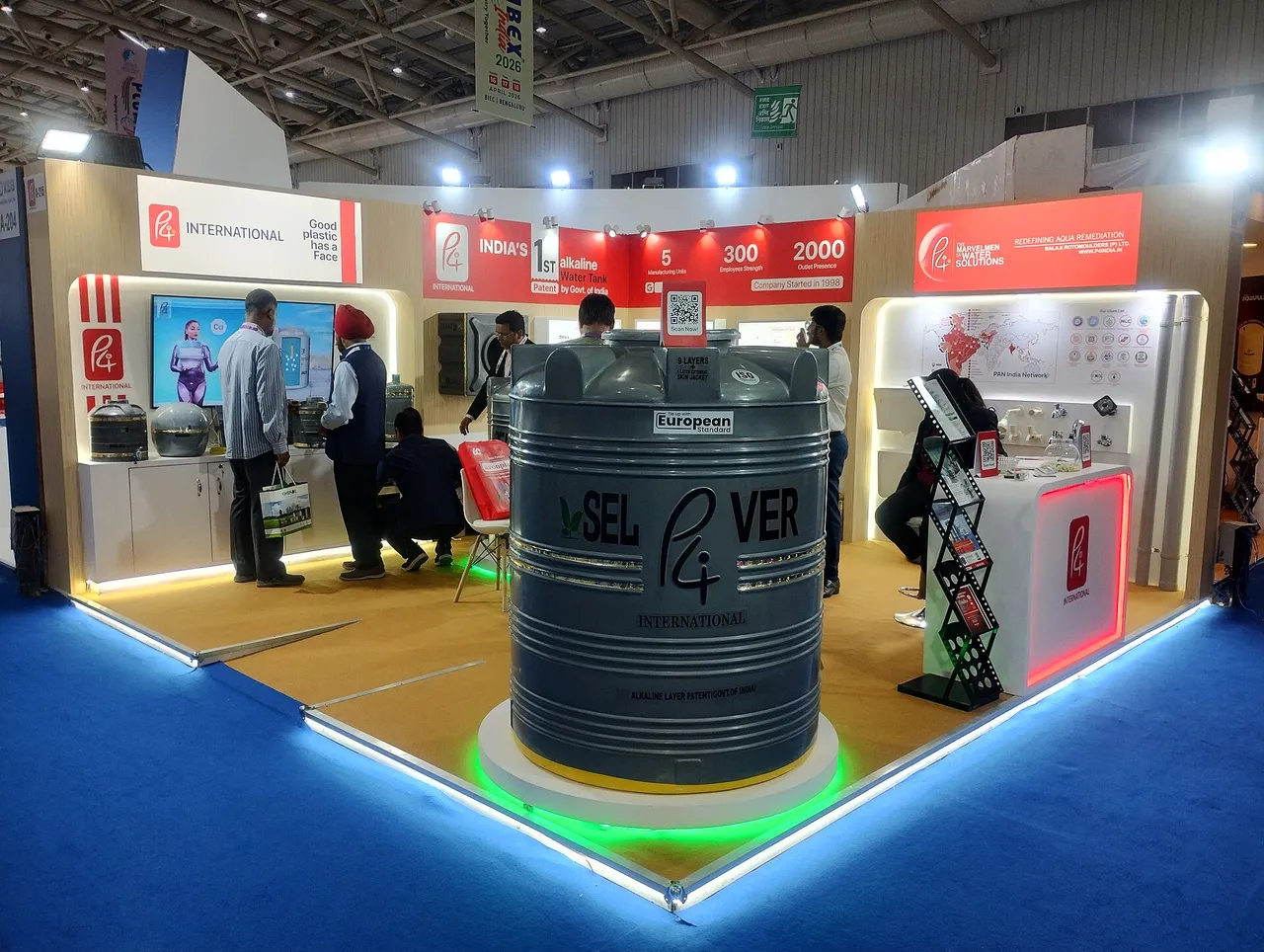
Types of Water Tanks in Kochi Homes and How Each Is Cleaned
Plastic Sintex-type tanks, loft tanks, concrete overhead tanks, and underground sumps — the tank types behind Kerala homes and what cleaning each one takes.
View Types of Water Tanks in Kochi Homes and How Each Is Cleaned
How Often Should You Clean Your Water Tank in Kochi?
A practical cleaning schedule for Kochi homes: how often overhead tanks and sumps need cleaning, why monsoon months matter, and the signs your tank is overdue.
View How Often Should You Clean Your Water Tank in Kochi?Last updated: